P/N RD0015H1600JBC: Instrument Panel Lighting Control
P/N RD0015H1600JBC: Instrument Panel Lighting Control
Blog Article
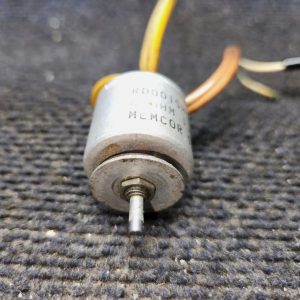
P/N RD0015H1600JBC provides aircraft owners, maintenance organizations, restoration specialists, and aviation parts buyers with an identifiable electrical control component for an appropriately verified Cessna 172F cockpit lighting installation.
A Cessna 172F Rheostat may also be marketed as a Cessna 172F Lighting Rheostat or Cessna 172F Panel Light Rheostat when the intended circuit and complete part number are stated accurately.
These related terms help maintenance professionals and restorers locate a suitable lighting-control component for a classic Cessna cockpit.
The Aviation Lighting Control Rheostat can support Aircraft Instrument Lighting Control, but similar-looking components may use different electrical characteristics.
Whether buyers seek Cessna 172F Electrical Parts, a Cessna 172F Dimmer Switch, Cessna Panel Lighting Control, or a Cessna Aircraft Rheostat, every component should be identified individually.
Identifying the Cessna 172F Rheostat
A component should not be accepted as RD0015H1600JBC solely because it resembles the original panel-light control.
Any manufacturer logo, electrical rating, production code, serial marking, repair label, or donor-aircraft information should remain associated with the component.
Buying a Cessna Rheostat Without a Knob
The original knob can provide a useful dimensional and style reference when it remains available.
Professional selection supports both cockpit appearance and dependable lighting adjustment.
How a Cessna 172F Rheostat Controls Lighting
Some cockpit lighting systems may use additional switches, resistors, transformers, wiring, grounds, or circuit-protection devices.
Smooth dimming can help reduce glare and support instrument readability during night or low-light operations when the complete system operates correctly.
Avoiding Incorrect Dimmer Substitution
Production changes, previous panel modifications, lighting upgrades, replacement wiring, and modern avionics installations can affect the required control.
The installer should verify whether the circuit uses two terminals, three terminals, an integral switch, or another control arrangement.
Checking Mounting Threads and Control Movement
Inspection should begin with the component clean enough Cessna Aircraft Rheostat to reveal cracks, corrosion, heat discoloration, damaged threads, bent shafts, missing insulation, contamination, and previous repair.
Professional physical inspection supports reliable Cessna Instrument Panel Rheostat installation.
Inspecting Rheostat Terminals and Wiring
Terminal arrangement should be photographed and documented before the original component is disconnected.
Wiring should be routed away from sharp edges, moving controls, heat sources, and locations where vibration can cause chafing.
Aircraft Electrical Bench-Test Considerations
Testing may include resistance measurement, continuity checks, smoothness evaluation, terminal mapping, and controlled functional testing appropriate to the identified component.
The component should not be connected directly to a power source until terminal functions and specifications are known.
Avoiding Unnecessary Rheostat Replacement
Repeated control failure can indicate an electrical load or connection issue that remains unresolved.
Intermittent faults can appear only during vibration, temperature change, or movement of the control.
Vintage Cessna Electrical Component Replacement
Historical appearance should not take priority over electrical compatibility, condition, or safe installation practices.
Panel labels should accurately describe the control’s actual function after installation.
Supporting Components Around the Rheostat
Each supporting component should be identified by function, part number, condition, and required quantity.
Donor-aircraft history may provide context but does not establish present serviceability.
Evaluating Electrical Component Repair Value
Minor external cleaning or hardware replacement may differ significantly from internal electrical refurbishment.
Any repair organization, work performed, replacement materials, and results should be documented.
Evaluating a Used Aircraft Lighting Control
Accurate listings strengthen buyer confidence and reduce disputes.
Electrical ratings and dimensions should be supplied when verified.
Cessna 172F Rheostat Buying Checklist
The buyer should obtain enough information for qualified aviation maintenance personnel to evaluate the component before purchase.
- Request detailed photographs of every marking, terminal, mounting thread, shaft surface, housing area, attached wire, repair, and included component.
- Check that the shaft rotates through its intended range without binding, excessive looseness, unexpected stops, or mechanical instability.
- Confirm the invoice, payment protection, packaging method, shipping insurance, inspection period, return conditions, and stated test status.
Shipping and Storing the Aircraft Rheostat
Professional packaging helps preserve the physical condition of the Aircraft Panel Light Dimmer.
Protective wrapping should avoid trapping moisture against metal surfaces.
Completing a Rheostat Replacement
Installation should be completed by appropriately qualified aviation maintenance personnel using applicable aircraft electrical information and suitable procedures.
The shaft should rotate freely after mounting and should remain properly aligned with the replacement knob and panel opening.
Disciplined commissioning protects the Cessna 172F Rheostat (No Knob)
Routine Panel Dimmer Inspection
Repeated cycling should not replace proper electrical troubleshooting.
The panel area should remain free from spilled liquids, conductive debris, harsh cleaners, loose hardware, and unsupported wiring.
Cessna 172F Rheostat Conclusion
The Cessna 172F Rheostat (No Knob)
Careful technical and commercial evaluation can reduce wiring errors, incompatible dimming behavior, missing-knob costs, installation delays, overheating, and unexpected electrical faults.
Whether buyers need a Cessna 172F Instrument Light Control, Cessna Instrument Panel Rheostat, Cessna Cockpit Lighting Control, or Aircraft Lighting Rheostat, circuit-specific compatibility should be verified.
With transparent test status, protected shipping, correct fitment, a suitable knob, and qualified maintenance review, the component can support a professional Cessna 172F project.
Report this page